

DrupalCon Nara 2025: Innovation, Tradition, and the Rising Tide of AI in Asia

Collection :
The historic city of Nara recently played host to DrupalCon Nara 2025, a distinctive event that brought together the Drupal community against a backdrop of stunning temples and serene gardens. It was a setting steeped in centuries of craftsmanship, offering the perfect environment to explore the future of digital innovation.
The atmosphere in Nara was intimate yet electric. Following the momentum of July's contribution efforts in Tokyo, this event solidified the feeling that energy is rapidly building in Asia. For the attendees representing a wide array of agencies, brands, and partners from across the globe, the message was clear: Drupal is evolving into a truly global, bilingual force.
From the seamless blend of tradition and technology to the groundbreaking discussions on AI and Drupal Canvas, let's dive into the highlights of a conference that proved diverse perspectives make for better software.
A "Blank Canvas" for Innovation: Mayor Nakagawa's Vision
The tone for the event was set perfectly by the opening remarks from Nara City Mayor, Gen Nakagawa. He warmly described Nara not just as a tourist destination, but as a "blank canvas" on which the roots of Japan were originally painted.
He highlighted that while Nara has preserved its history for over 1,300 years, it has always been a city of innovation, originally shaped by influences from the Silk Road. This metaphor of the "blank canvas" resonated deeply with the Drupal community, reflecting our own mission to build new digital experiences on a foundation of open-source heritage. It was a reminder that true innovation doesn't discard the past; it builds upon it.
A Vision for the Future: Experience Builder and Digital Sovereignty
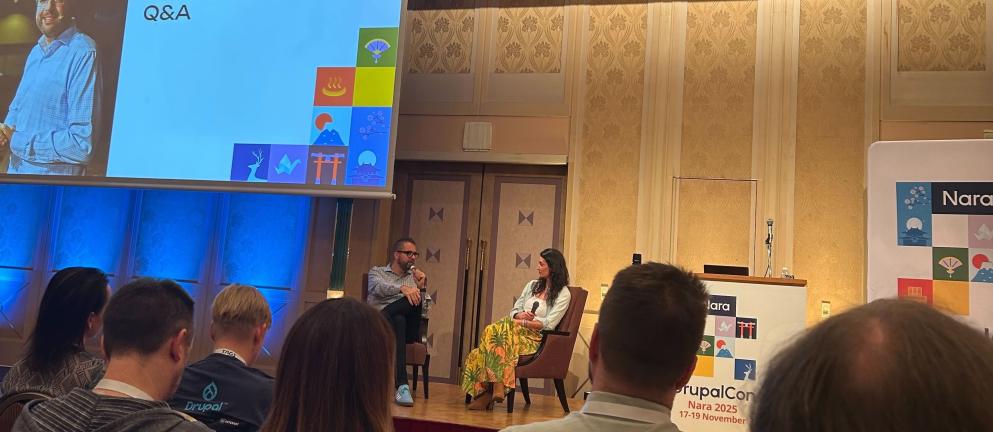
One of the most anticipated moments was the keynote Q&A with Dries Buytaert. Reflecting on his transition to Executive Chairman at Acquia, Dries shared how stepping back from daily operations has allowed him to focus on high-level strategy and the long-term health of the Open Web.
A major theme of the conference was Drupal Canvas, the visual experience builder designed to compete with tools like Webflow and Squarespace. Acquia has heavily invested in Drupal Canvas, dedicating approximately 2,000 person-months over 15-16 months, building it entirely as an open-source project with open collaboration from multiple partners. The goal is clear: lower the barrier to entry for marketing websites while maintaining the governance large organizations require.
Dries also touched on the growing importance of Digital Sovereignty, noting that open source offers a strategic advantage for governments and organizations seeking to avoid vendor lock-in and maintain control over their data, a crucial consideration in the Asian market.
Recipes: It's About Time!
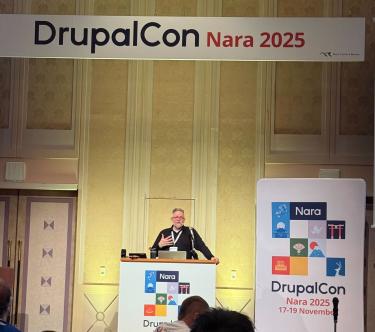
A standout technical highlight was the deep dive into Drupal Recipes, a modern, composable alternative to distributions. The session "Recipes: It's About Time!" demonstrated how recipes can solve complex, recurring problems without requiring custom code.
We learned how recipes can manage everything from session submissions to recurring events. The session showcased the "Event Platform" recipe, which significantly improves the out-of-the-box experience for site builders. By installing and configuring modules automatically, recipes allow developers to focus on unique features rather than repetitive setup, marking a major shift in how we approach site architecture.
The Future of Workflow Optimization with AI & Drupal Canvas
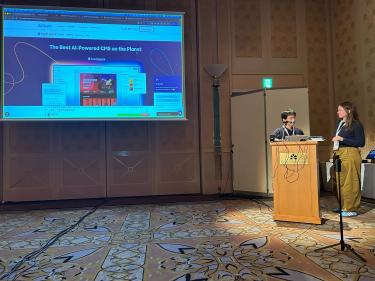
The potential of AI to transform daily operations was brought to life in the session "The Future of Workflow Optimization with AI & Drupal Canvas." This wasn't just about generating text; it was about reimagining the entire content lifecycle.
The session demonstrated a workflow that automated the Japanese cultural practice of Nemawashi (consensus building). In this demo, a bilingual summary was automatically generated and sent to stakeholders the moment a page was published.
Furthermore, we saw how Drupal Canvas is set to revolutionize site building in multilingual contexts. A live demo showed a Japanese landing page being created in minutes using Context-Aware Translation. Content was instantly translated using Drupal AI, ensuring accuracy and proper formatting. This fusion of AI and site building proved that Drupal is ready to support the complex, multilingual needs of global enterprises.
Bridging the Gap: Real-World AI Integration
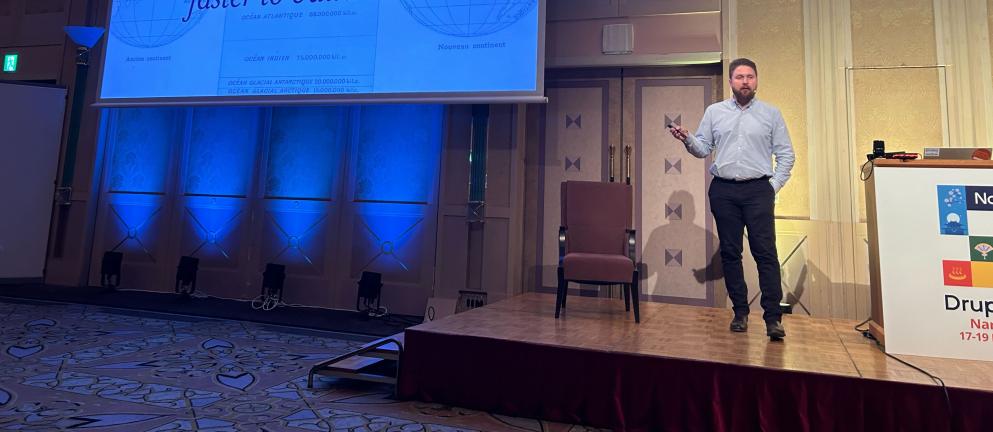
While the tools are exciting, strategy is key. The session "Lessons from Integrating AI into Real Marketing Teams" provided a developer's playbook for bridging the gap between technical innovation and marketing needs.
Addressing the fact that 95% of generative AI projects fail to scale, the session outlined a 4-Step Playbook:
- Talk About It: Launching initiatives like "Marketing AI Office Hours."
- Start Small: Integrating AI into existing workflows, such as "Generate with AI" buttons for alt-text.
- Apply Safeguards: Adopting a "Human-in-the-Loop" approach for brand safety.
Measure, Learn & Scale: Tackling complex automations only after a solid foundation is built.
Next Steps to Drupal Canvas
Looking ahead, the roadmap for Drupal Canvas is aggressive and exciting. The initiative is built on three strategic pillars: enabling rapid building of digital experiences, integrating AI deeply into the UI, and supporting scale with strong CMS capabilities.
The immediate next steps involve refining the user interface based on community feedback and expanding the library of available components. As the project moves toward its official 1.0 release, the focus will remain on ensuring that Canvas isn't just a visual tool, but a robust platform that integrates seamlessly with the existing Drupal ecosystem.
Tradition Meets Tomorrow
DrupalCon Nara was more than just a tech conference; it was a convergence of history and future. By combining our rich open-source heritage with bold innovations like AI, Recipes, and Drupal Canvas, the event proved that the future we paint together is bright indeed.
The road ahead is exciting, and as we look toward the future of the Open Web, the energy from Asia is a force that will help drive us there.